
Emergency Water Preparedness
Water is one of the first things every household depends on when normal services are interrupted.
A good emergency water plan should do more than tell you how many gallons to store.
It should also help you answer two other questions:
What will we do if our normal water supply becomes unsafe?
And:
What will we do if the water we stored begins to run low?
At ReadyPrepHome, we organize water preparedness around a simple three-layer framework:
STORE → TREAT → REPLENISH
Each layer solves a different problem.
Together, they create a more complete water plan.
The 3 Layers of Water Readiness
STORE — Have Water Ready
Stored water is your first line of defense.
It is available immediately and does not depend on electricity, weather, or another water source.
The first goal is to know:
- How much water your household has stored
- How long it would realistically last
- Whether it is stored safely
- How much more you could reasonably add
Storage buys you time.
TREAT — Know How to Make Backup Water Safer
If your normal water supply becomes unsafe, or you need to use another source, treatment becomes important.
Different problems require different responses.
Boiling may help with germs.
Filters vary widely in what they remove.
And some chemical contamination cannot be made safe with ordinary household treatment.
The goal is not to memorize every possible treatment method.
It is to know what options you have and what their limits are before you need them.
Treatment gives you options.
REPLENISH — Know Where More Water Will Come From
Stored water is finite.
Every gallon you use is one gallon you no longer have.
That makes replenishment the layer many households overlook.
Depending on where you live and what resources you have available, replenishment could involve rainwater, a well or spring, surface water, delivered water, atmospheric water generation, or another realistic source.
The important question is:
If our stored water begins to run low, where will the next gallon come from?
Replenishment extends your readiness.
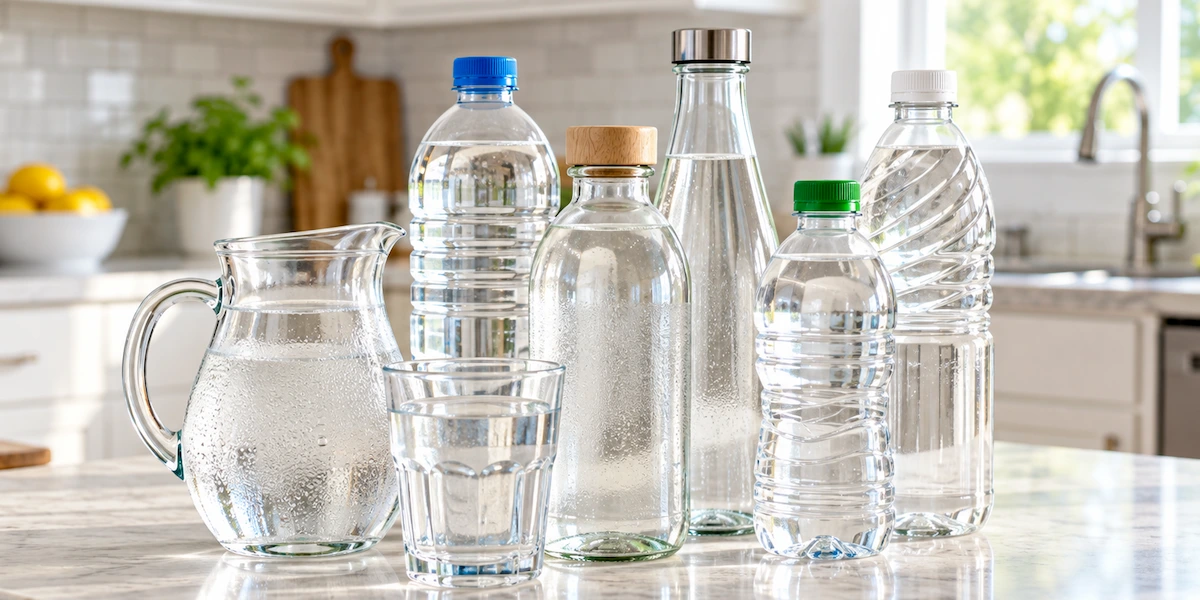
Start With Your Current Water Plan
Before buying equipment or adding more supplies, take a few minutes to look at what you already have.
Ask yourself:
How much water do we currently have stored?
How many days would it last?
Do we have a treatment option that works without household electricity?
What backup water sources are available in or around our home?
What would we use if the disruption lasted longer than our stored supply?
Those questions will usually reveal where your biggest gaps are.
If you want a more complete walk-through, start here:
Emergency Water Preparedness: A 3-Layer Plan to Store, Treat, and Replenish Water
Discover how the STORE → TREAT → REPLENISH framework works and use a simple readiness check to evaluate your current plan.
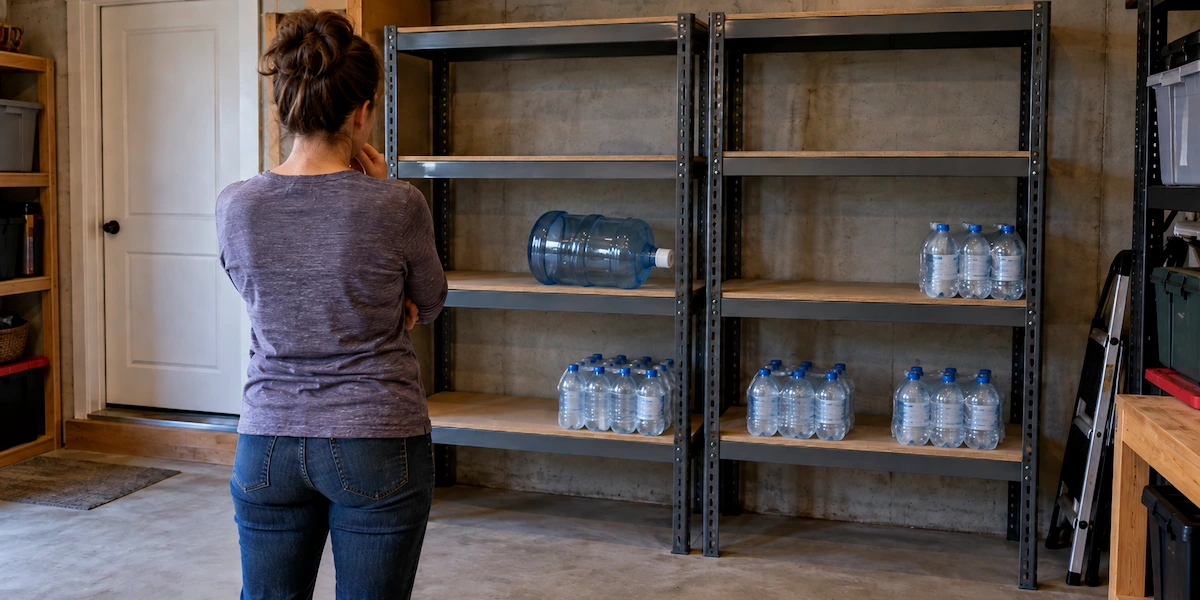
What Happens When Stored Water Runs Low?
Storage is essential, but it cannot solve every water problem by itself.
A longer disruption may force you to look for additional sources.
Some may already exist inside your home.
Others may depend on your property, local environment, weather, or available equipment.
The important thing is to identify realistic options before you are depending on them.
If you want a more complete walk-through, check out this article:
Emergency Water Sources: What to Do When Your Stored Water Runs Low
Explore household, rainwater, natural, and other emergency water sources—and the treatment and reliability issues that come with them.

Can You Really Get Water From the Air?
One replenishment option that surprises many people is atmospheric water generation.
An atmospheric water generator, or AWG, collects moisture from the air and turns it into liquid water.
The technology is real, but how useful it is depends on factors such as temperature, humidity, available power, and the system itself.
For preparedness, AWG can be interesting for two reasons:
It may add water to your household supply.
And water suitable for some non-drinking uses may help preserve your safest stored water for drinking and cooking.
Can You Really Get Water From the Air? How Atmospheric Water Generators Work
See how atmospheric water generation works, where it performs best, and the limits to understand before deciding whether it fits your water plan.
Build Your Water Plan With the Emergency Water Readiness Plan
If you want to turn these ideas into a practical household plan, the Emergency Water Readiness Plan gives you a simple place to start.
It includes worksheets and planning steps to help you:
- Calculate your stored-water needs
- Improve how you store water
- Think through treatment options
- Identify backup sources
- Choose a replenishment strategy
- Create a simple household action plan
The goal is not to prepare for every possible water emergency.
It is to know what you have, what your options are, and what you would do next.
Considering a DIY Atmospheric Water System?
If atmospheric water generation interests you, there are both commercial and DIY approaches.
We purchased Water Freedom System, went through the program ourselves, and reviewed what it actually provides.
The program includes written instructions, a parts-and-tools guide, supporting water-readiness material, off-grid information, and a 13-part build video series.
We also found some limitations we think potential buyers should understand.
Water Freedom System Review
See what we liked, what could be better, and who we think will get the most benefit from the program...
Build Your Water Readiness One Step at a Time
You do not need the perfect water system today.
Start with what you have.
Strengthen your storage.
Understand your treatment options.
Identify realistic backup sources.
Then decide how you would replenish the supply if the interruption lasts longer than expected.
The goal is simple:
More useful options. Less dependence on everything working perfectly.
If you are not sure where to begin, start with the three-layer framework.